


Butterfly Cut vs. Layer Cut Hair: Key Differences And Which To Choose?

Can’t make up your mind! Should you get a butterfly cut or a regular layer cut for your new hairstyle? They are two popular layered hairstyles with very different shaping techniques and final appearances. Many people mix these two styles up, but their layer placement, volume, and styling needs are not alike. This guide will help you learn their biggest differences and decide which look matches your beauty goals.
What Is Butterfly Cut Hair?
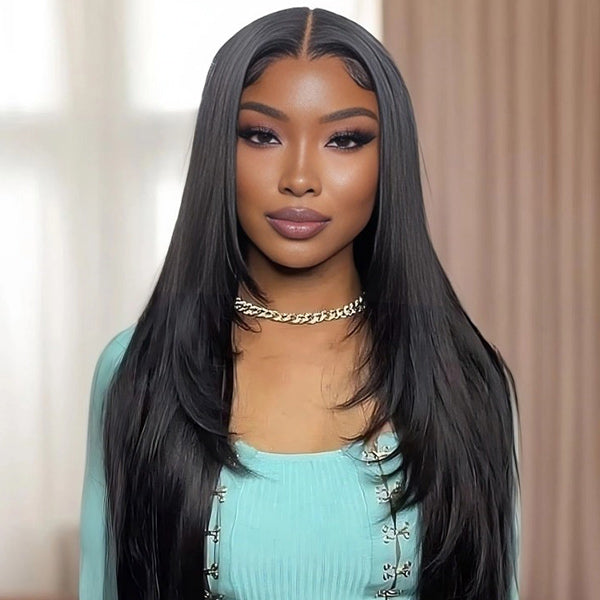
The butterfly cut hair is technically a special type of layered haircut. It’s a trendy two-tier layered hairstyle loved for its butterfly-wing silhouette. Stylists use feathering layers to lift the hair around your face, paired with long flowing layers underneath. This cut works beautifully on medium-long to long hair lengths.
What Is Layer Cut Hair?
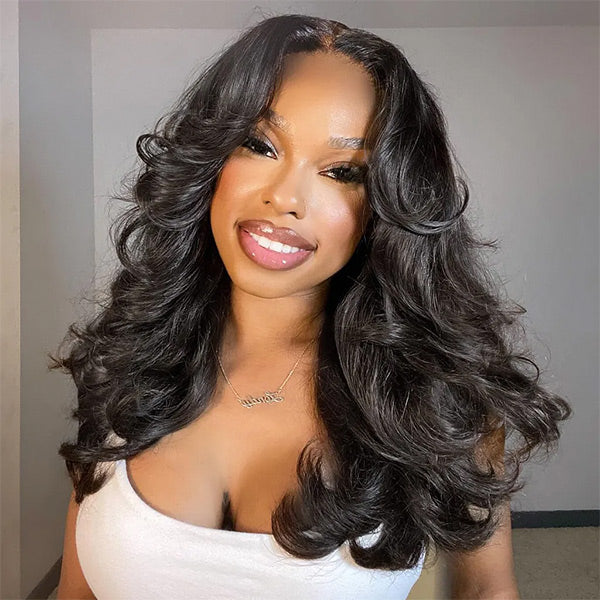
The layer haircut is a classic and widely popular style. Stylists trim strands at varying lengths all over your head. The layers are softly graduated, with no obvious, disconnected chunks. It helps fine hair look fuller and stops thick hair from feeling too heavy. This timeless cut works great for all hair textures and lengths.
Butterfly Cut vs. Layer Cut Hair: What Is the Difference?
Layer Structure
The butterfly cut hair has shorter face-framing layers around the cheekbones and jaw, with long flowing layers underneath. These soft layers fan out just like butterfly wings.
A layer cut often has layers throughout the whole head. The layers are softly graduated and blend together seamlessly.
Volume & Visual Style
The butterfly haircut adds volume at the crown and face-framing areas. The layers fan outward for a dramatic, wing-like look. This haircut creates strong dimension and a trendy, eye-catching style.
The standard layer haircut adds evenly distributed volume across the whole head. The graduated layers cut down bulk and give your hair soft, pretty flow. This haircut creates a more natural and understated visual style.
Face Framing Effect
The butterfly cut creates a powerful face-framing effect. The butterfly-wing layers rest along your cheekbones, cheeks, and jaw, instantly lifting your whole face.
A general layer hair cut creates a gentle, subtle face-framing effect. It gently softens your sharp facial angles but won’t create that dramatic highlighted frame. This makes layered wigs a safe pick for beginners.
Hair Type
The butterfly cut hair works best on medium-long to long hair. It suits straight and loose wavy textures most, as tight curls may hide its signature wing shape. Fine, low-density hair usually won’t hold the style well.
Layered cuts go with basically any hair length! Pixies, short bobs, even really long hair all look great with layers. This haircut works for any hair texture and density. It looks stunning on straight, wavy, and curly hair; it cuts bulk for thick hair and adds fullness to fine strands.
Maintenance
The butterfly cut hair requires careful maintenance to preserve its wing-shaped layers. Daily light styling with heat tools is needed to keep the layers lifted and fanned out. If you don’t want regular salon visits for touch-ups, try a butterfly cut wig.
A regular layer haircut is way easier to maintain than the butterfly haircut. Even as hair grows, layers blend naturally without losing the core haircut shape. Layered wigs are super easy to maintain. They can hold their shape nicely, even without heat styling.
Butterfly Cut vs. Layer Cut Hair: Which Cut Should You Choose?
Pick a Butterfly Cut if:
◾You have medium-long or long hair and want to add volume at the crown.
◾You want a stylish, eye-catching hairstyle with face-framing bangs and wispy pieces.
◾You don’t mind spending more time on regular styling with a round brush, rollers, or hot tools.
◾You don’t mind scheduling salon touch-ups every few weeks to keep the shape.
◾You love straight or loose wavy haircuts or human hair wigs with layers past your shoulders.
Pick a Classic Layer Cut if:
◾You want an easy haircut to boost volume with minimal styling skills.
◾Your hair is short, medium, or long, and you want more lift.
◾You prefer subtle hair changes for more texture and movement.
◾You want a no-fuss haircut that still adds body to flat hair.
◾You have thick hair and want to reduce bulk.
FAQs About Butterfly Cut vs. Layer Cut Hair
Is a butterfly cut just a layered haircut?
A butterfly cut is a type of layer cut, they’re not the same thing. It has ultra-wispy surface layers and feathered ends that look just like butterfly wings.
Can I get a butterfly cut on short hair?
The butterfly cut hair works best on medium-long to long hair. Short hair doesn’t have enough length to create its signature butterfly-wing layers.
Which cut is better for thin or fine hair?
For fine or thin hair, I’d recommend a regular layer cut with carefully designed layer placement. It’s a much safer option.
Which cut is better for thick hair?
Both cuts can work well on thick hair, but the right option depends on what look you want. A butterfly cut creates a more dramatic, stylish look, while a classic layer cut creates a softer and more subtle look.
Which style is easier to style every day?
A layer haircut is simpler for daily styling. Butterfly cut hair often needs blow drying or heat tools to get that pretty wing-layer shape popping.
Which cut is lower maintenance?
The layer cut is lower maintenance overall. Butterfly cut’s delicate thin layers require more effort to maintain.
Which haircut needs fewer salon touch-ups?
Layered cuts need fewer salon visits between trims. The wispy butterfly cut layers grow out fast and lose their defined look.
Which cut is more versatile?
The classic layer haircut is far more versatile. fits nearly all hair lengths, textures, and occasions.
Final Verdict: Butterfly Cut vs. Layer Cut Hair
When choosing between a butterfly cut and a layer cut, focus on your hair texture and lifestyle. A butterfly cut gives that trendy, romantic, feathered look. Classic layer haircuts are timeless, low-fuss, and flexible for everyday life. Think about your daily styling routine before making your final call.
Related Posts
Boho Braids Vs. Goddess Braids: Key Differences Explained
#613 vs. #27 Blonde Wigs: Which Is Right for You
1B VS 2 Hair Color: What is the Difference and How to Choose


