


Are Braids Protective Hairstyles?
For many Black women, braids have never been just a hairstyle. They’re part of culture, identity, and everyday life. From box braids to cornrows, and now the rise of boho braids, styles keep changing—but one question keeps coming up: are braids actually protective?

Are Braids Protective Hairstyles?
Short answer: yes, braids can be a protective style—but only if they’re done right.The idea behind protective styling is simple. You keep your hair tucked away, limit daily manipulation, and give it a break from heat and constant handling. For curly and coily hair, that alone can make a big difference.
But here’s the thing—not all braids are truly “protective.” If they’re too tight, too heavy, or not cared for properly, they can do more harm than good. It’s one of those situations where good intentions don’t always lead to good results.
1. Too Tight Is a Problem
This is probably the most common mistake. A lot of people want their braids to look neat and last longer, so they braid the roots really tight. But that constant tension pulls on your scalp, especially around the edges. Over time, this can lead to thinning or even traction alopecia.
Good braids should feel secure, not painful. If you can’t sleep comfortably the first few nights, that’s a red flag.
2. The Hair You Add Matters
Extensions are a big part of many braided styles, and what you use makes a real difference.
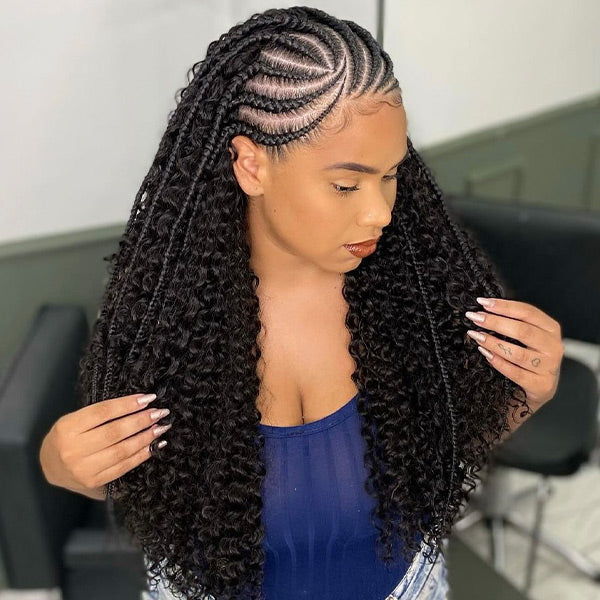
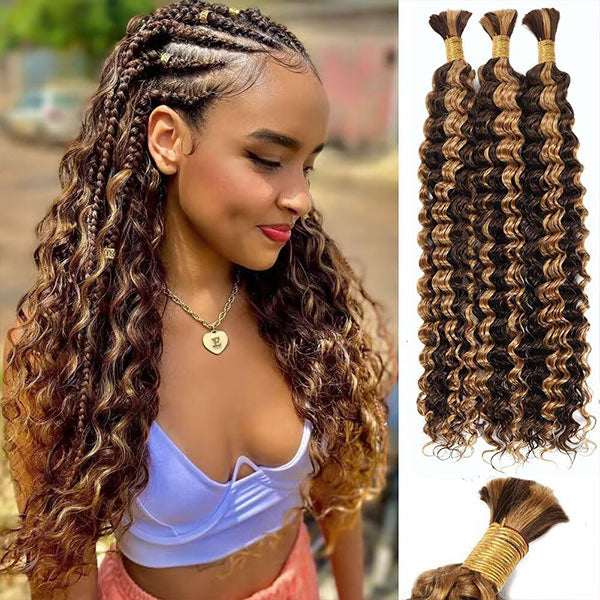
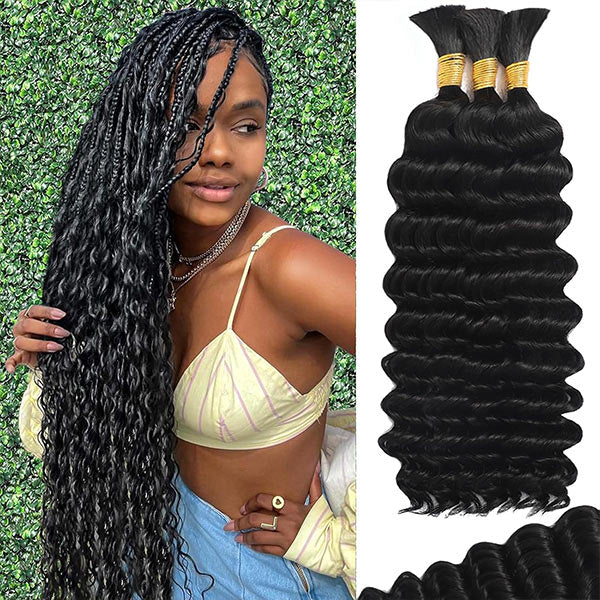
For example, when people do boho braids, a lot of them use bulk human hair for weaving in loose pieces. It blends better, feels softer, and looks more natural. It also tends to cause less friction, which helps reduce tangling.
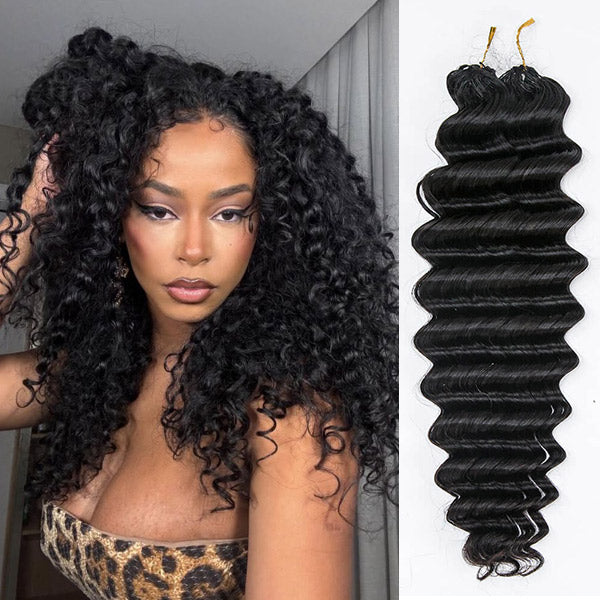
Then there’s feather crochet hair, which has become popular lately. It’s light and airy, so it doesn’t weigh your hair down. That might sound like a small detail, but heavy hair can put stress on your roots over time. Lighter options are usually easier on your scalp.
3. Don’t Just Install and Forget
A lot of people get braids and then leave them in for two or three months with little to no care. That’s where problems start. Your scalp still needs attention. If it gets too dry or there’s buildup, you’ll start to feel itching and discomfort.
Keep it simple—clean your scalp when needed, use a light moisturizing spray, and protect your hair at night with a satin scarf or pillowcase. And don’t push the time limit too far. Just because your braids still look okay doesn’t mean your scalp is happy.
Best Bulk Human Hair for Braiding
Final Thoughts
It’s easy to see a nice braided style and want to copy it right away. But what works for someone else might not work for you. Your scalp, your hair type, your routine—they all matter.
Instead of just chasing trends, pay attention to how your hair feels. Comfort matters more than you think. When your scalp is healthy and your hair isn’t under stress, that’s when braids actually do what they’re supposed to do. At the end of the day, protective styling isn’t about doing less—it’s about doing things better.


